Design System
About this project
Aretean (now Credera) is a global consulting firm that helps companies with digital transformation, technology solutions, data, and experience design. They combine the expertise of a large firm with the personal, people-first approach of a boutique company. After joining the Credera family, Areteans became part of their global network, giving access to worldwide talent, modern technology practices, and high-impact enterprise projects. Credera is known for its strong values, collaborative culture, and its focus on delivering meaningful results for clients across many industries.
Task
Different client projects were using different UI patterns, which caused:
- Inconsistency across screens
- Extra effort for designers and developers
- Difficulty for BA teams to show clients a clear visual direction
- Slow iteration cycles and delays in approvals
- More rework due to lack of standardised components
There was a strong need for a unified design system that could work for various enterprise projects.
Solution
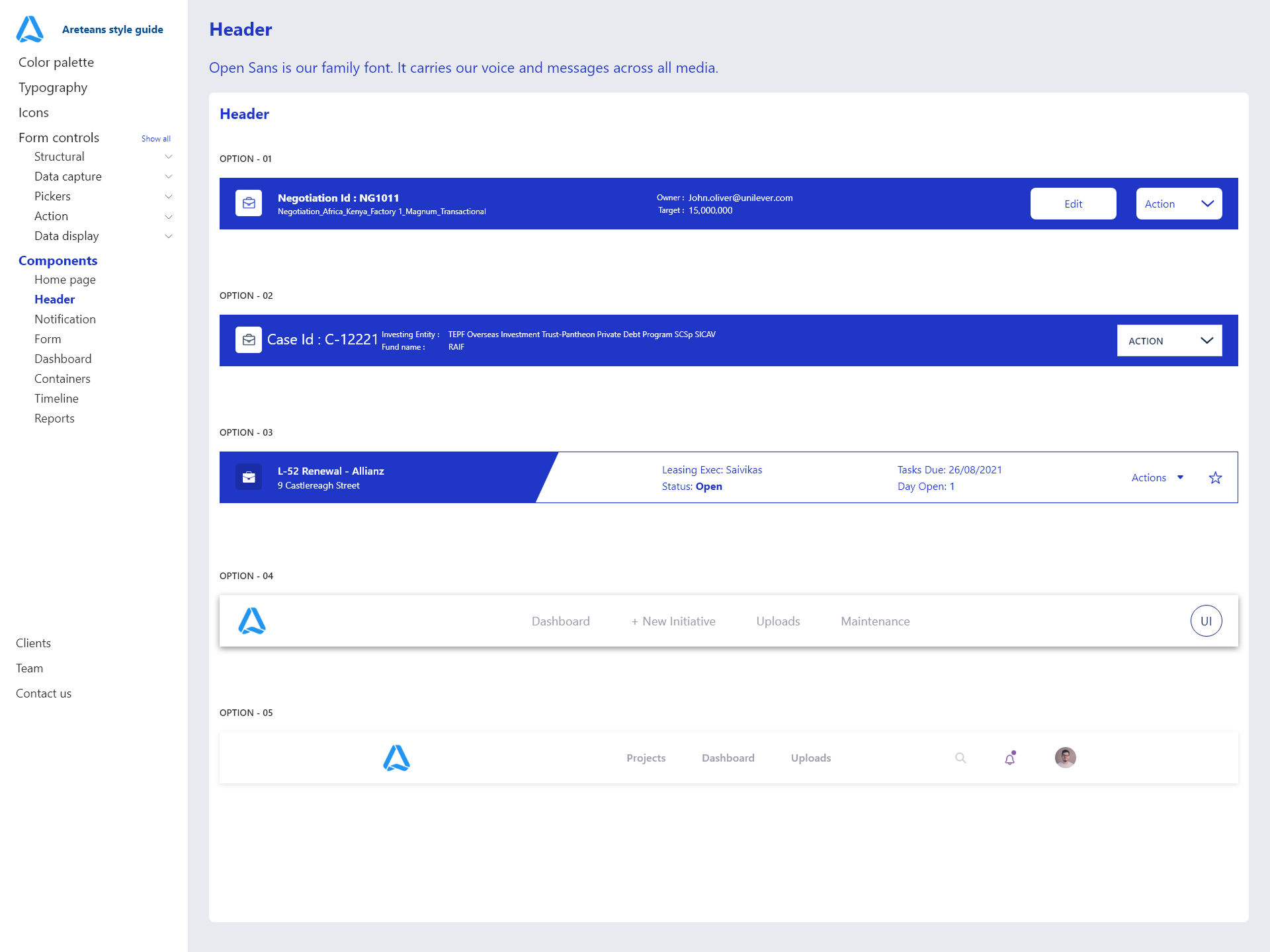
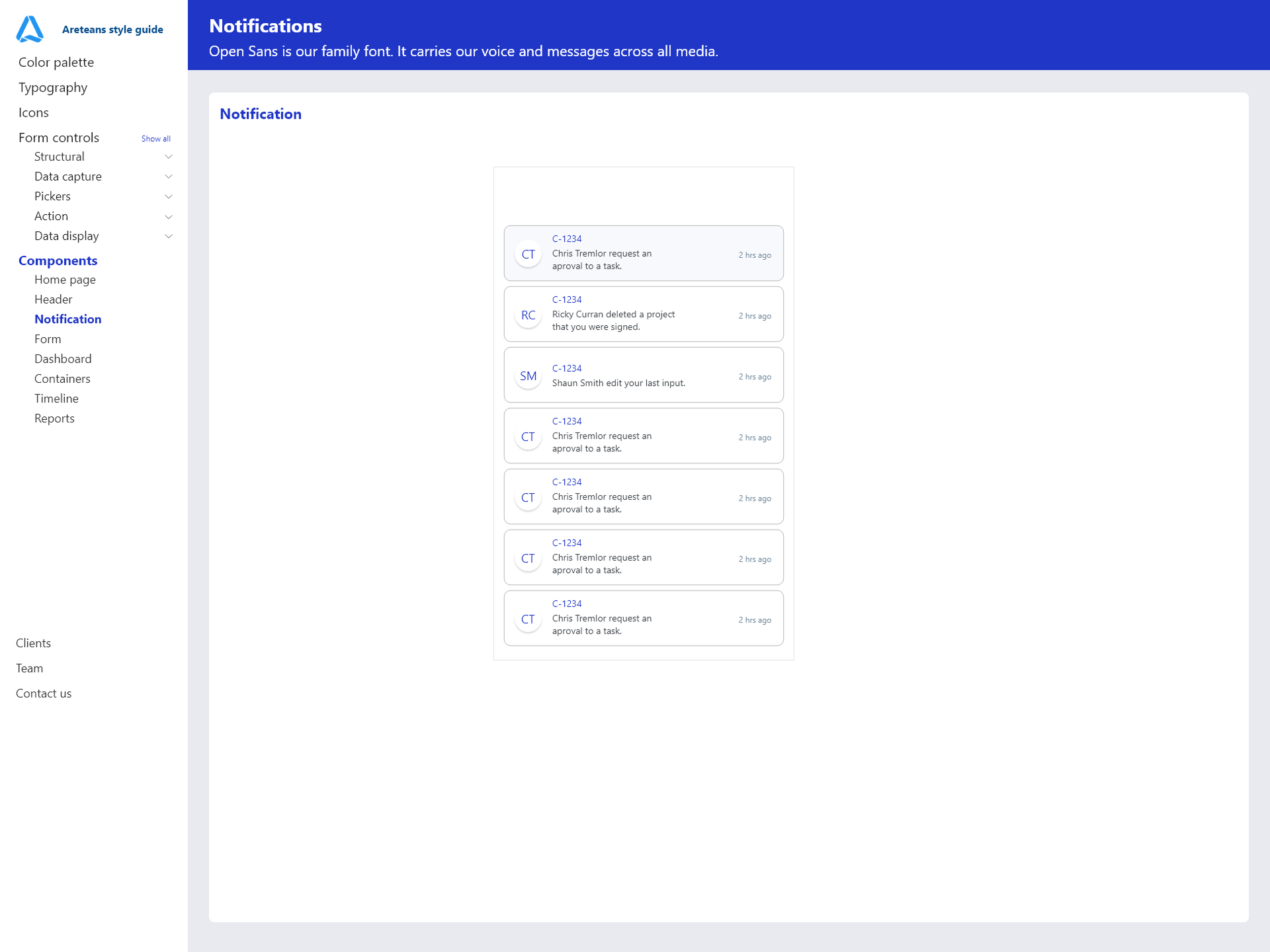
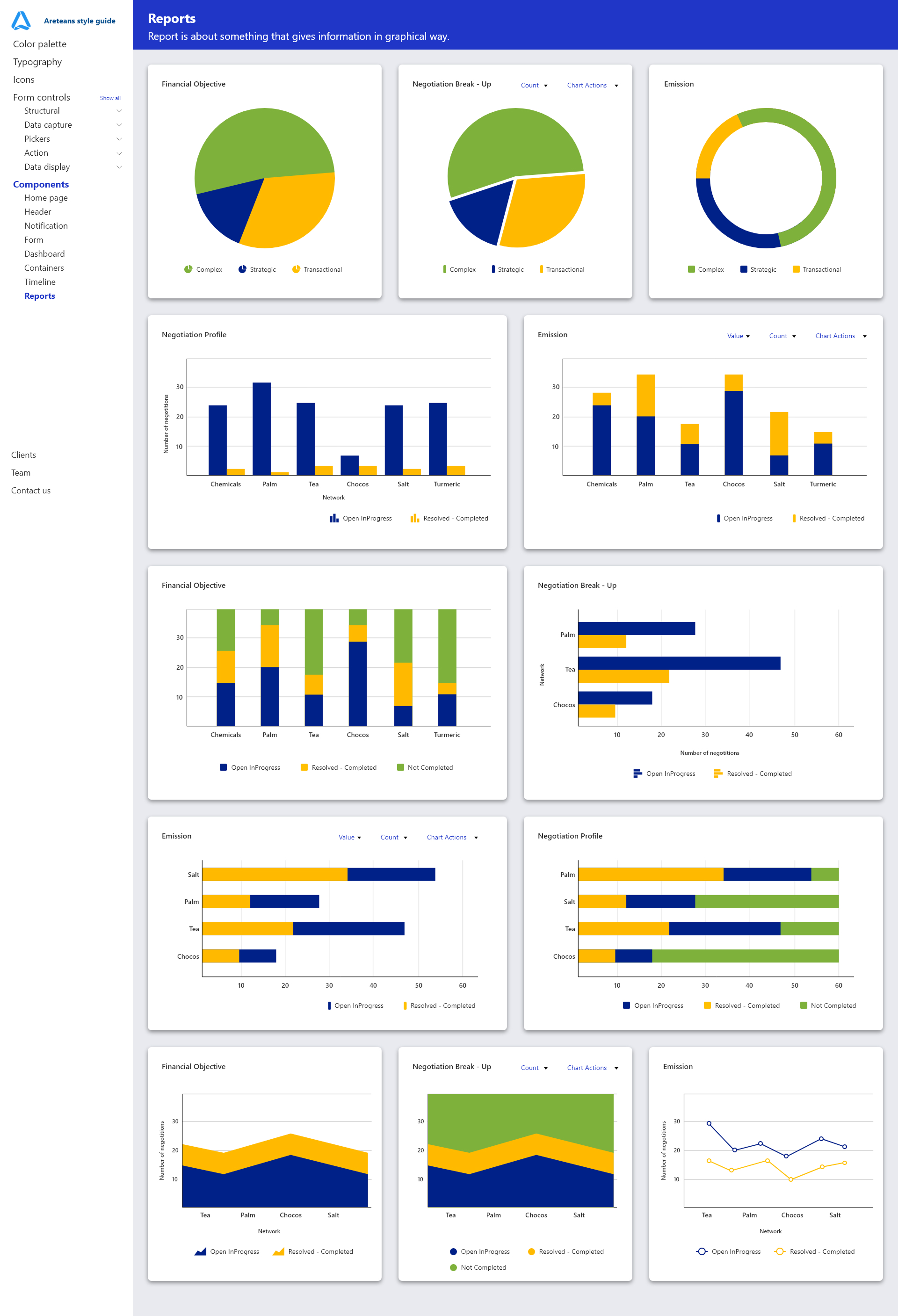
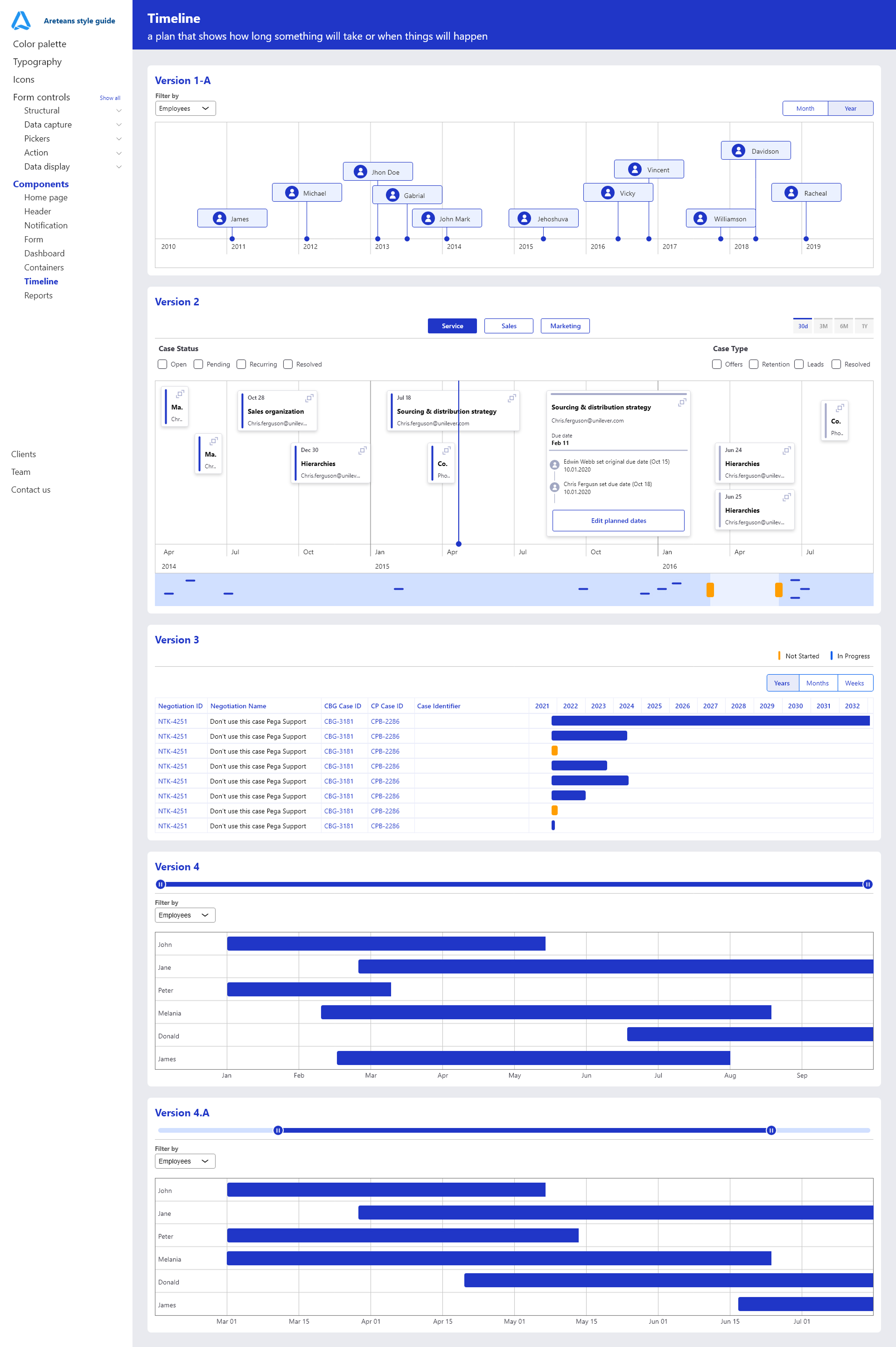
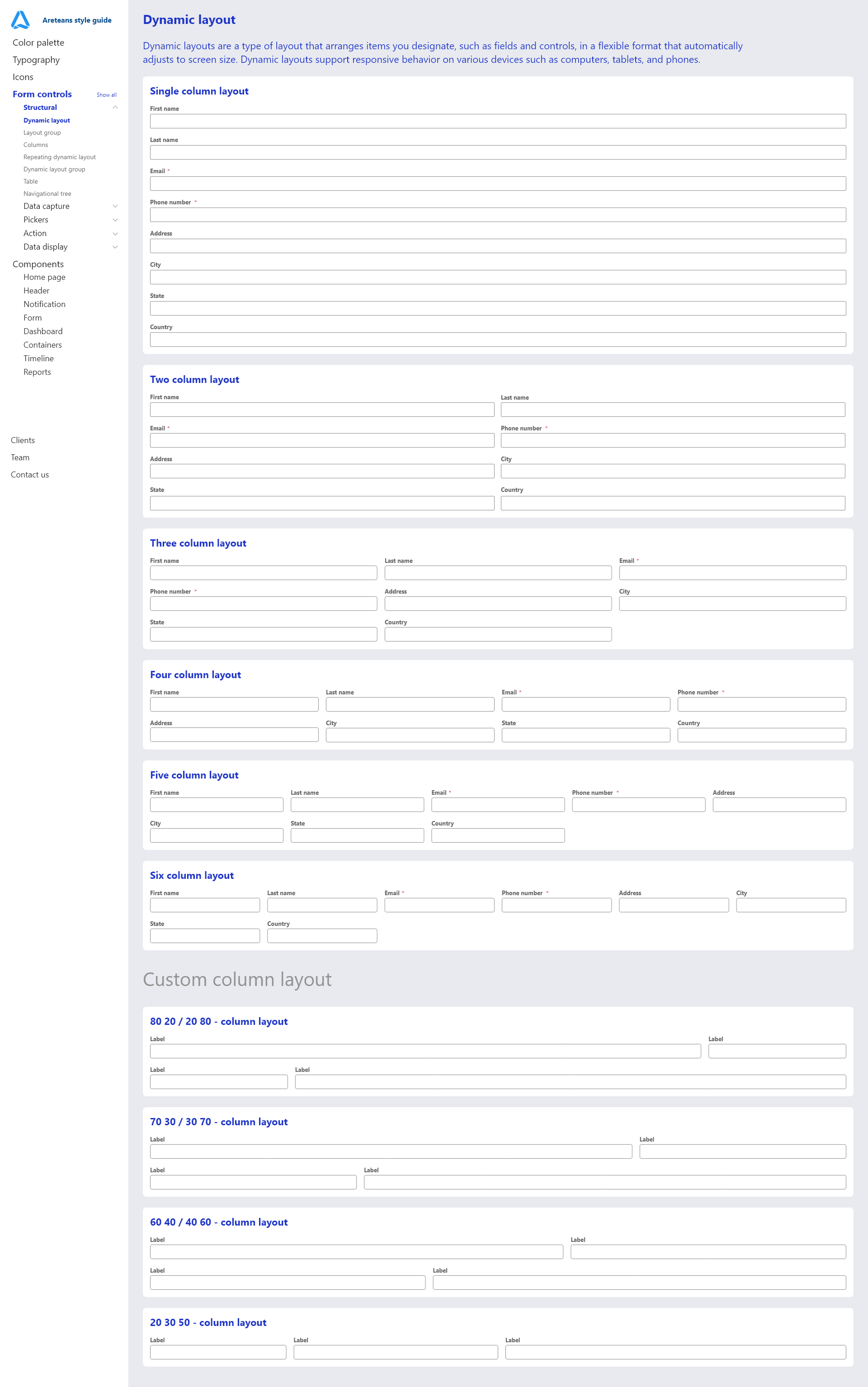
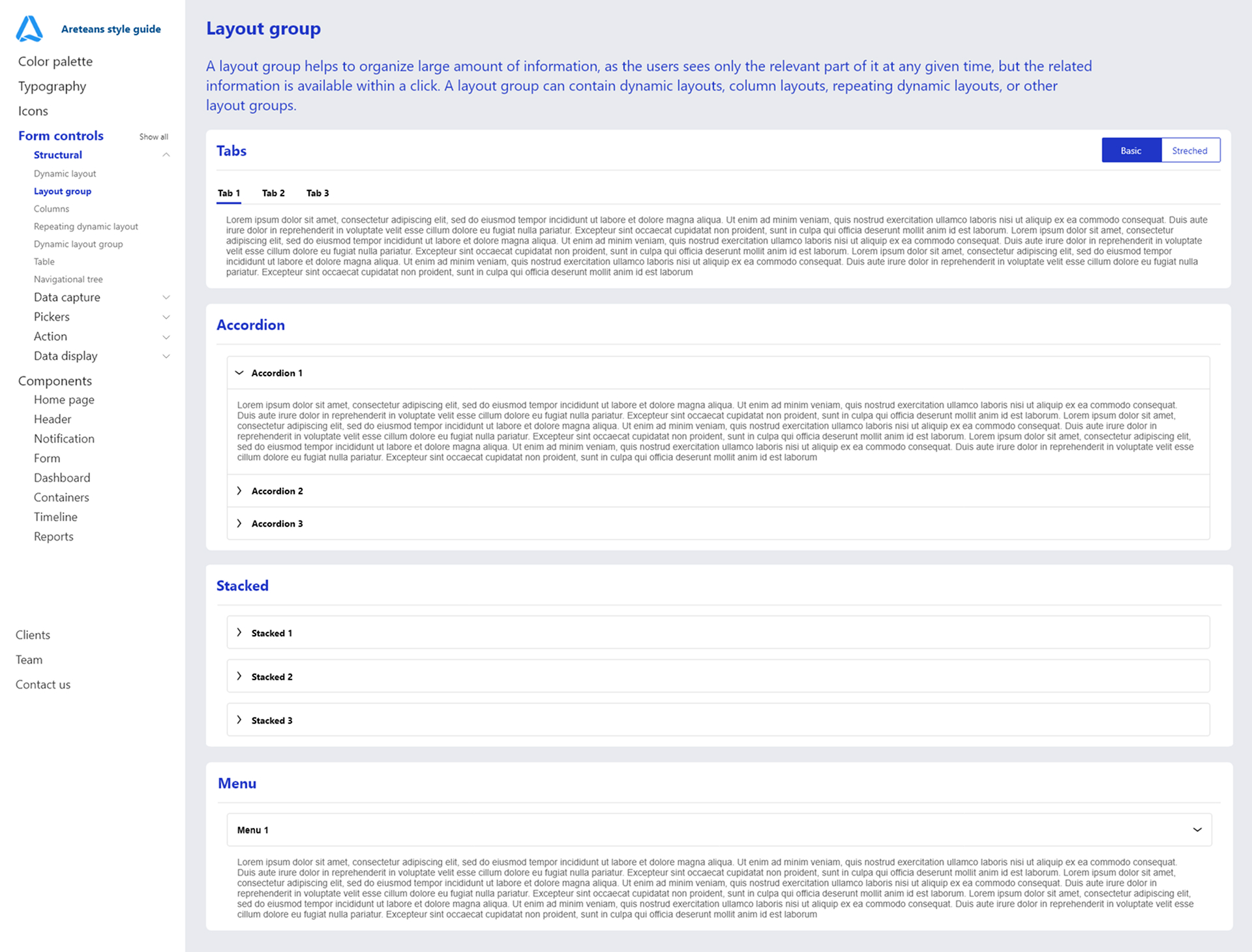
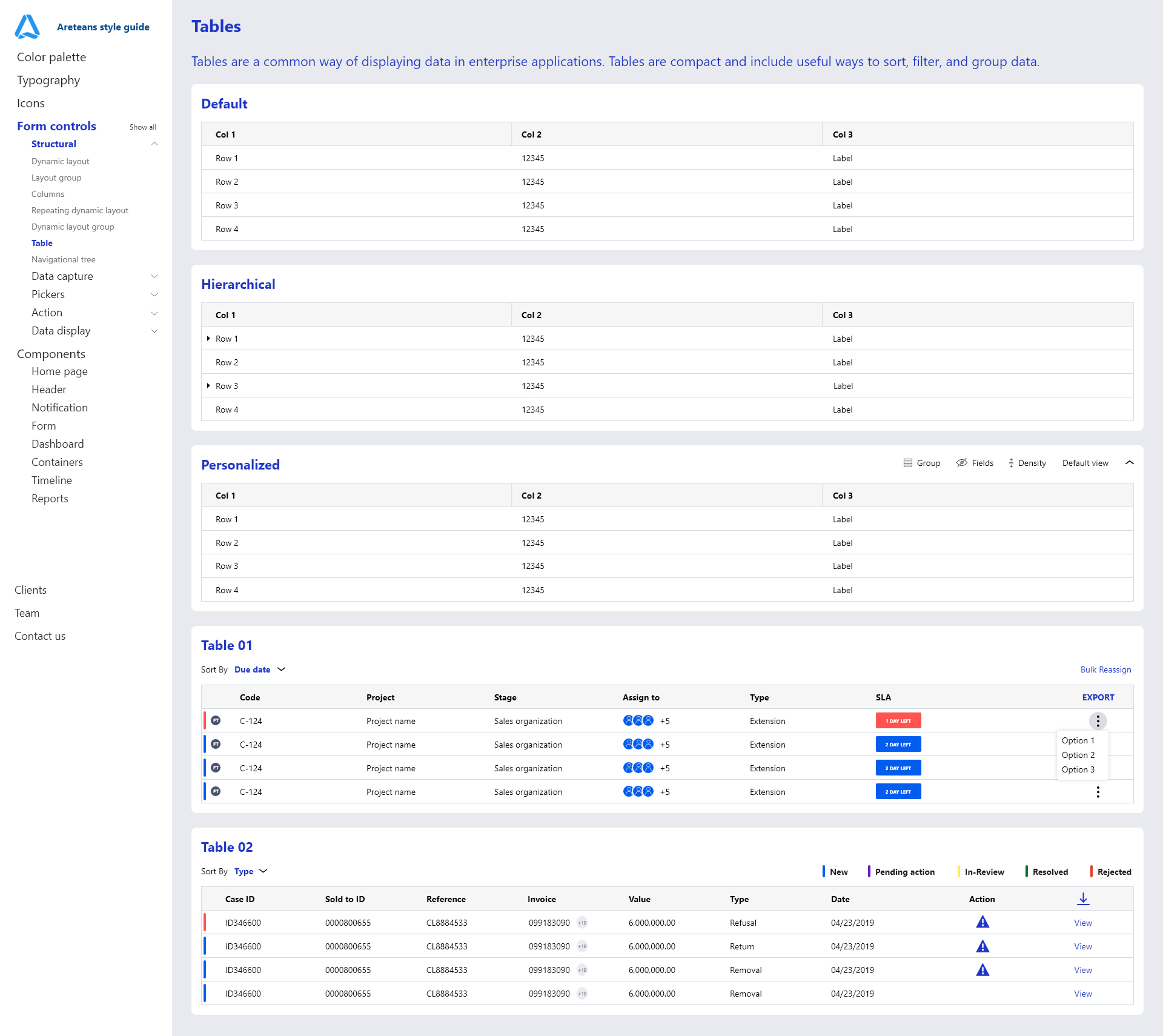
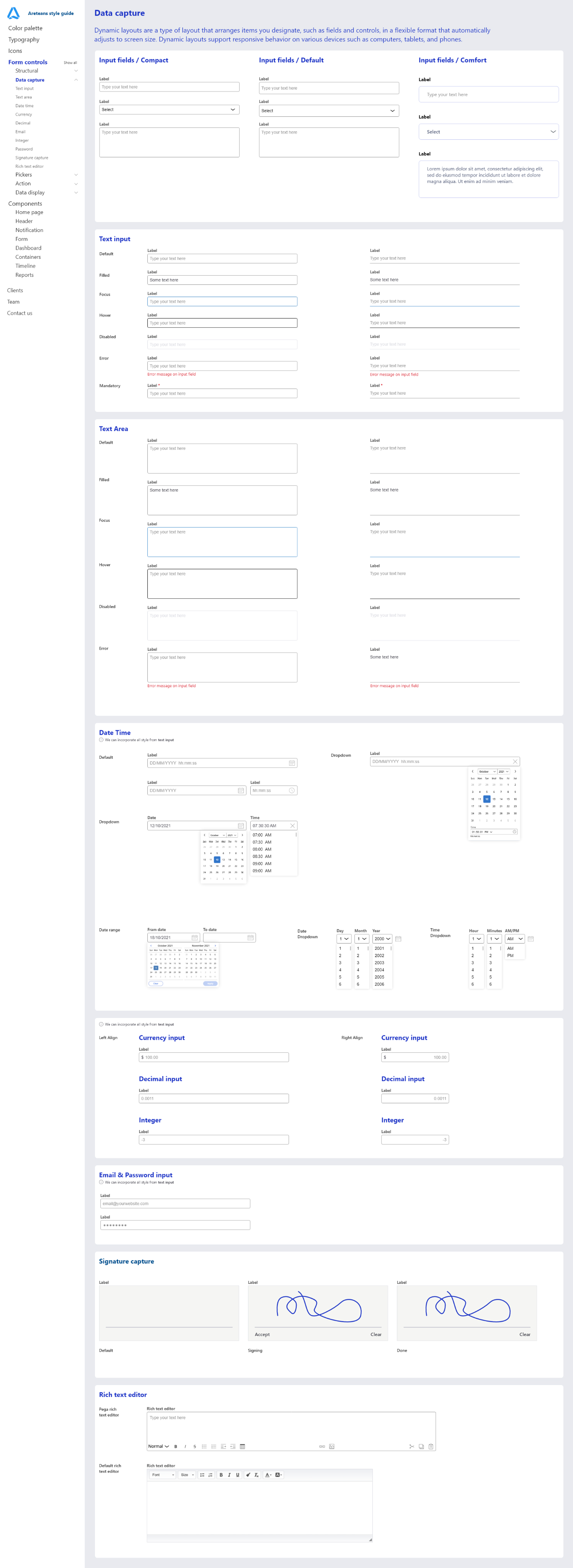
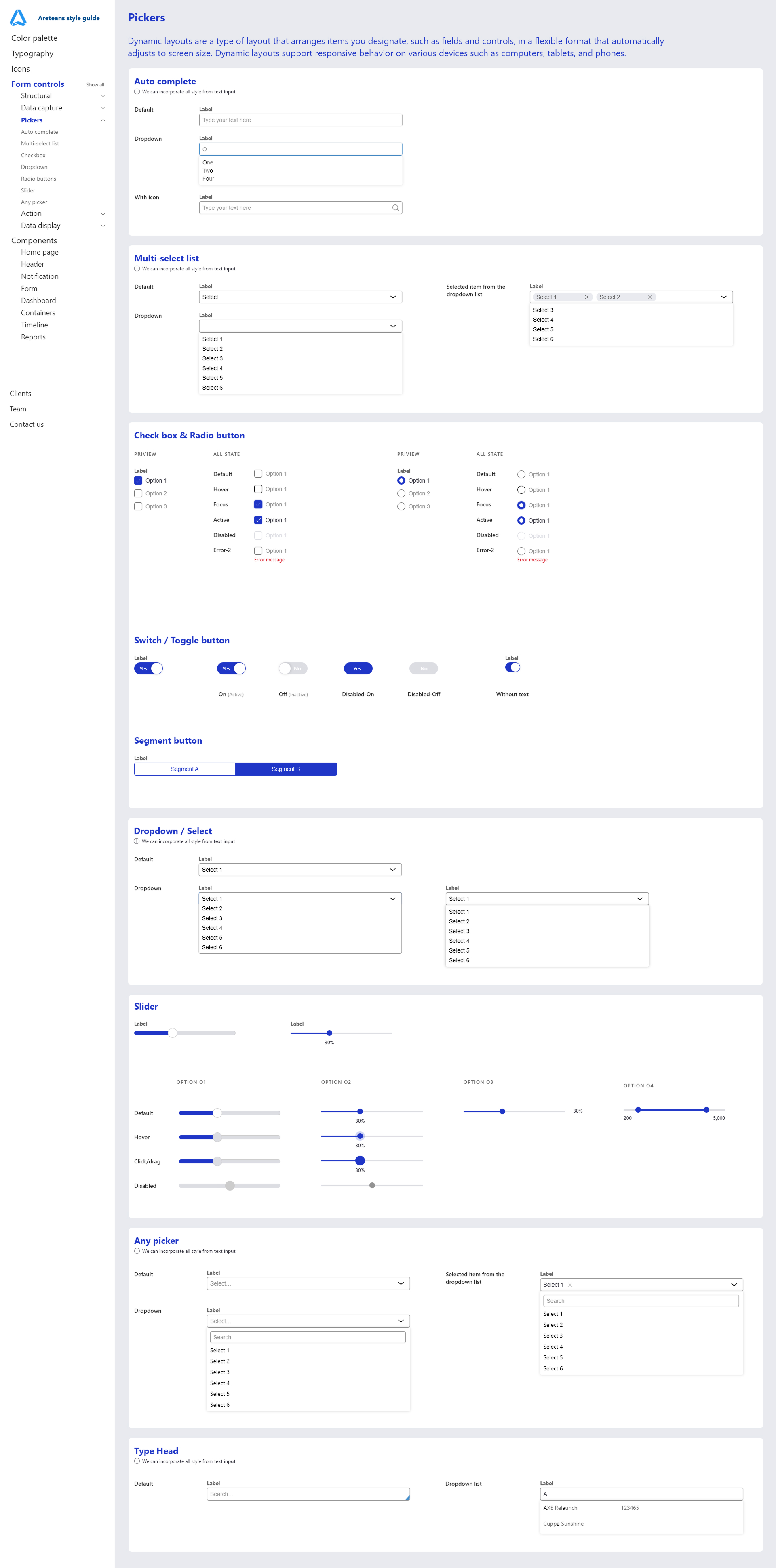
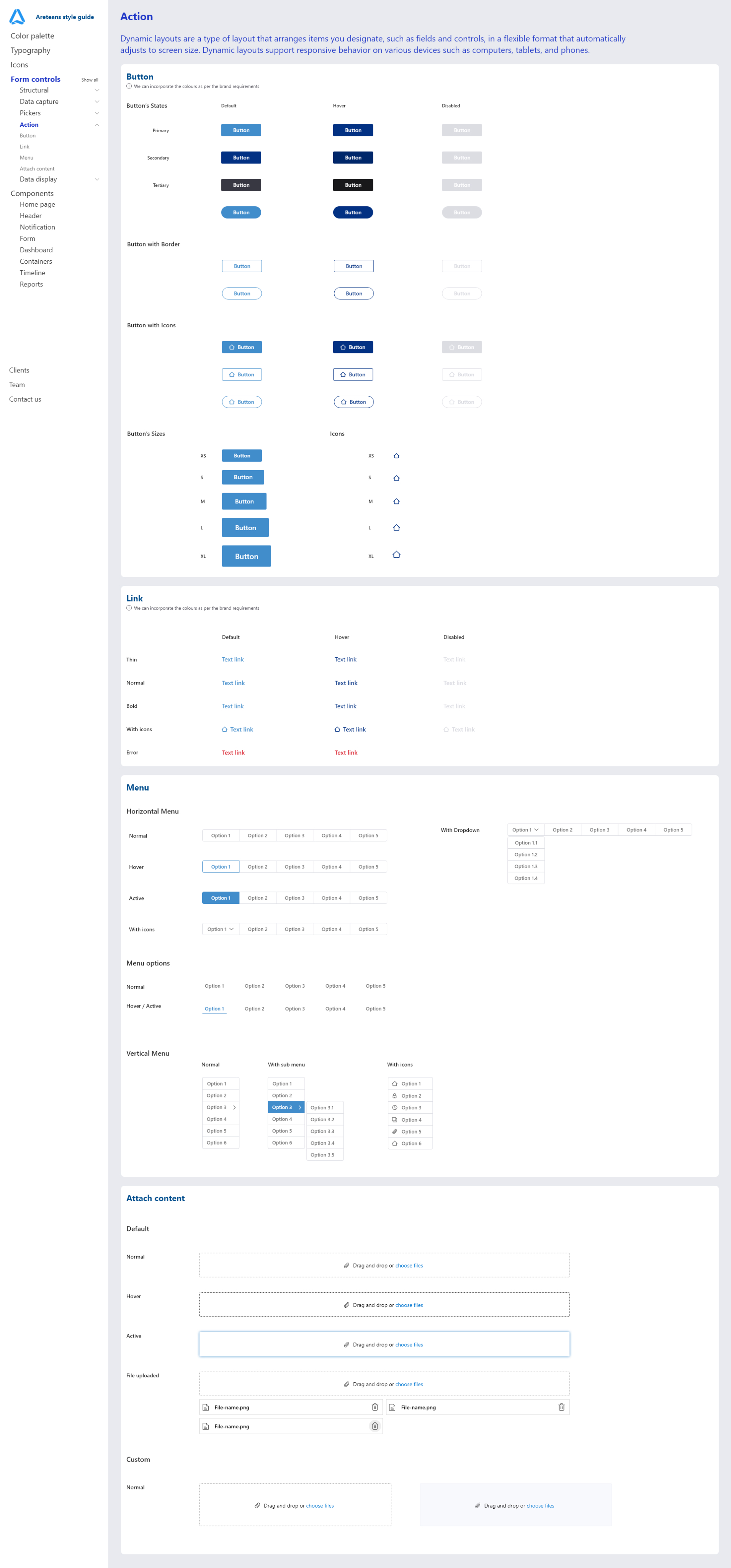
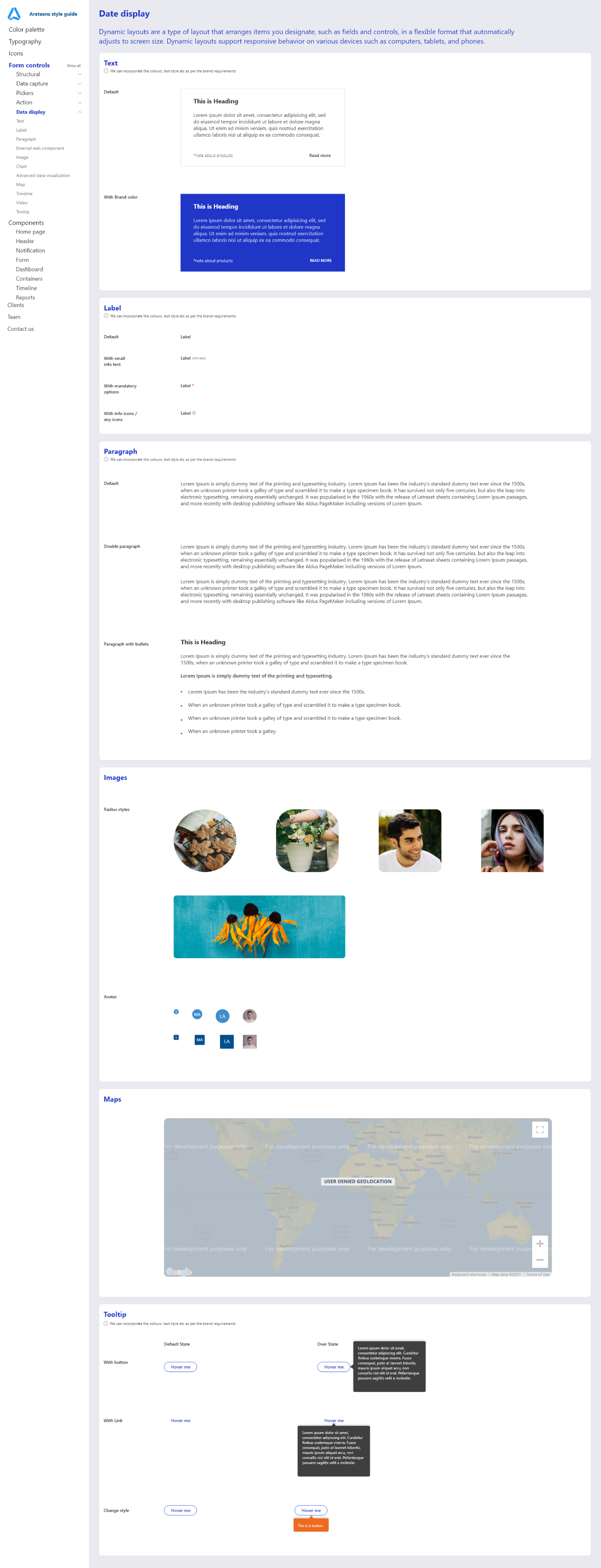
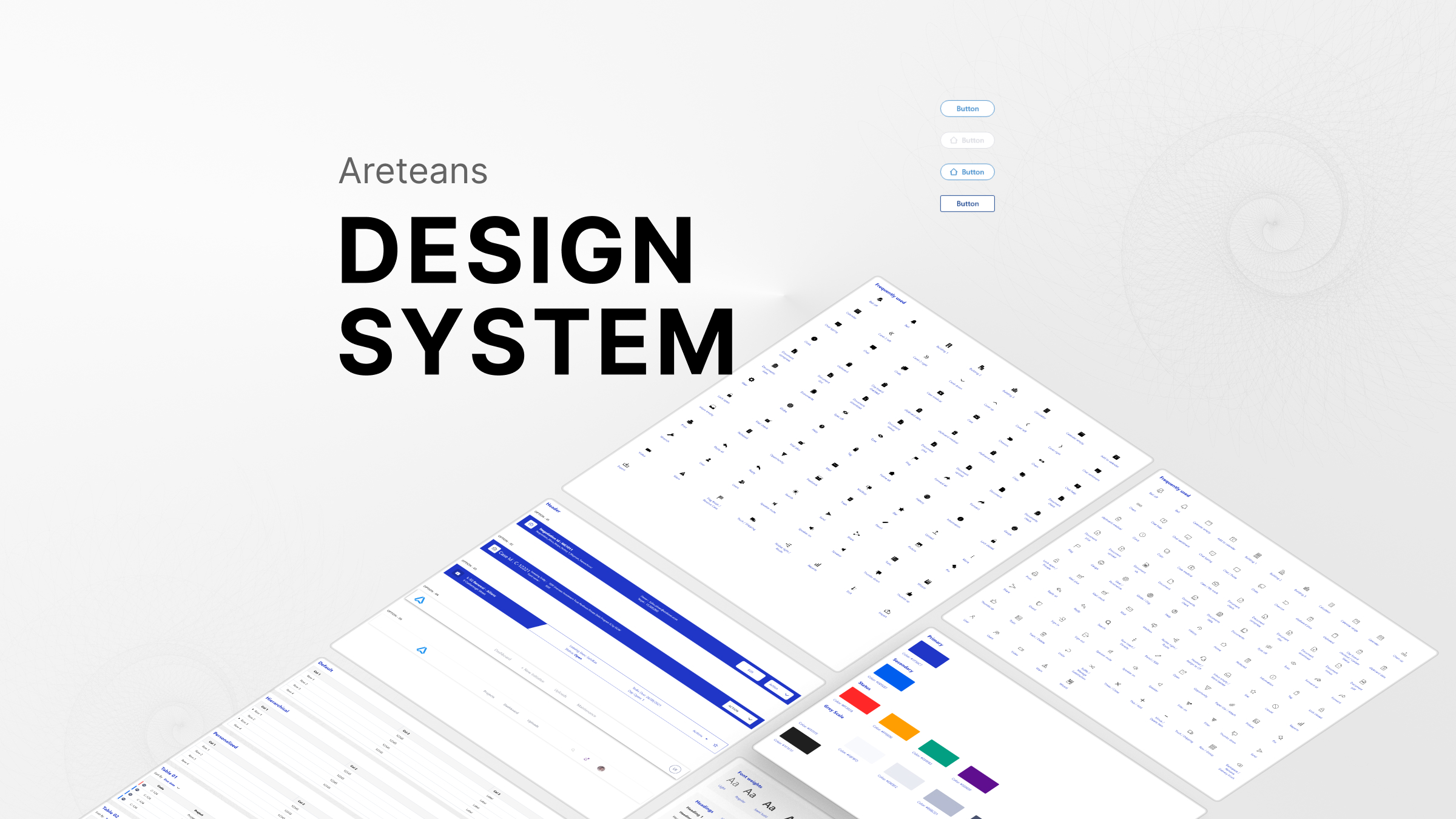
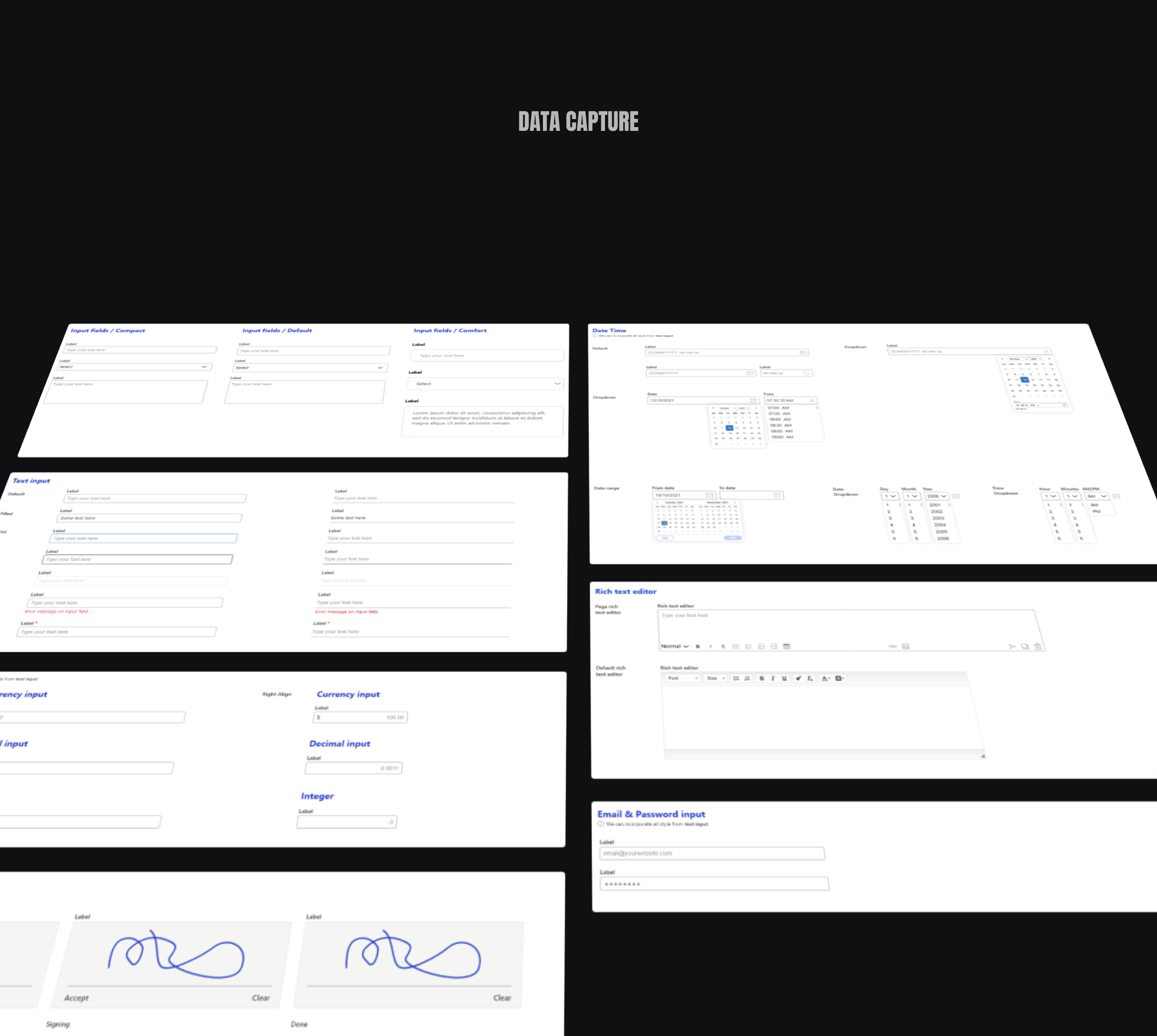
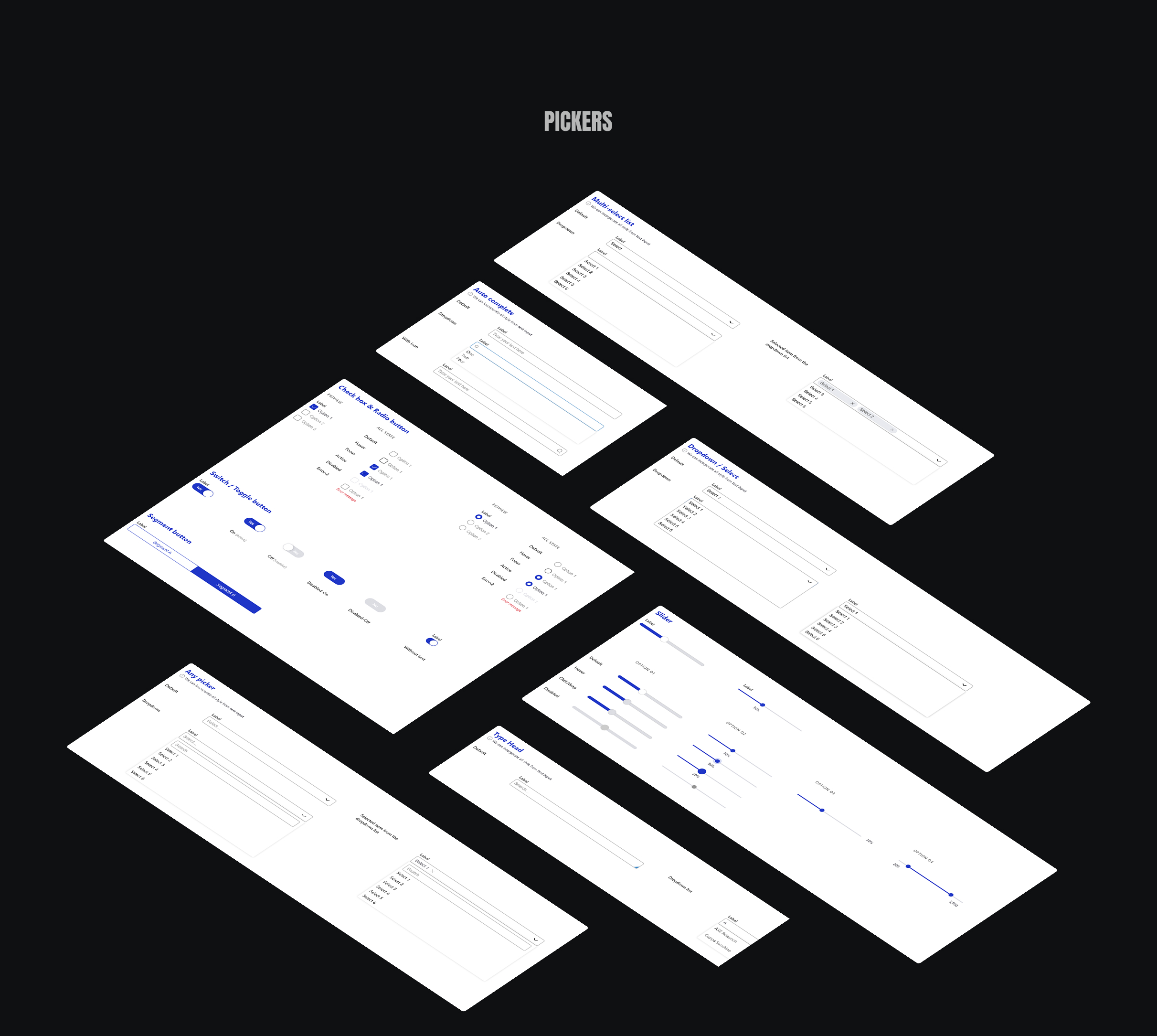
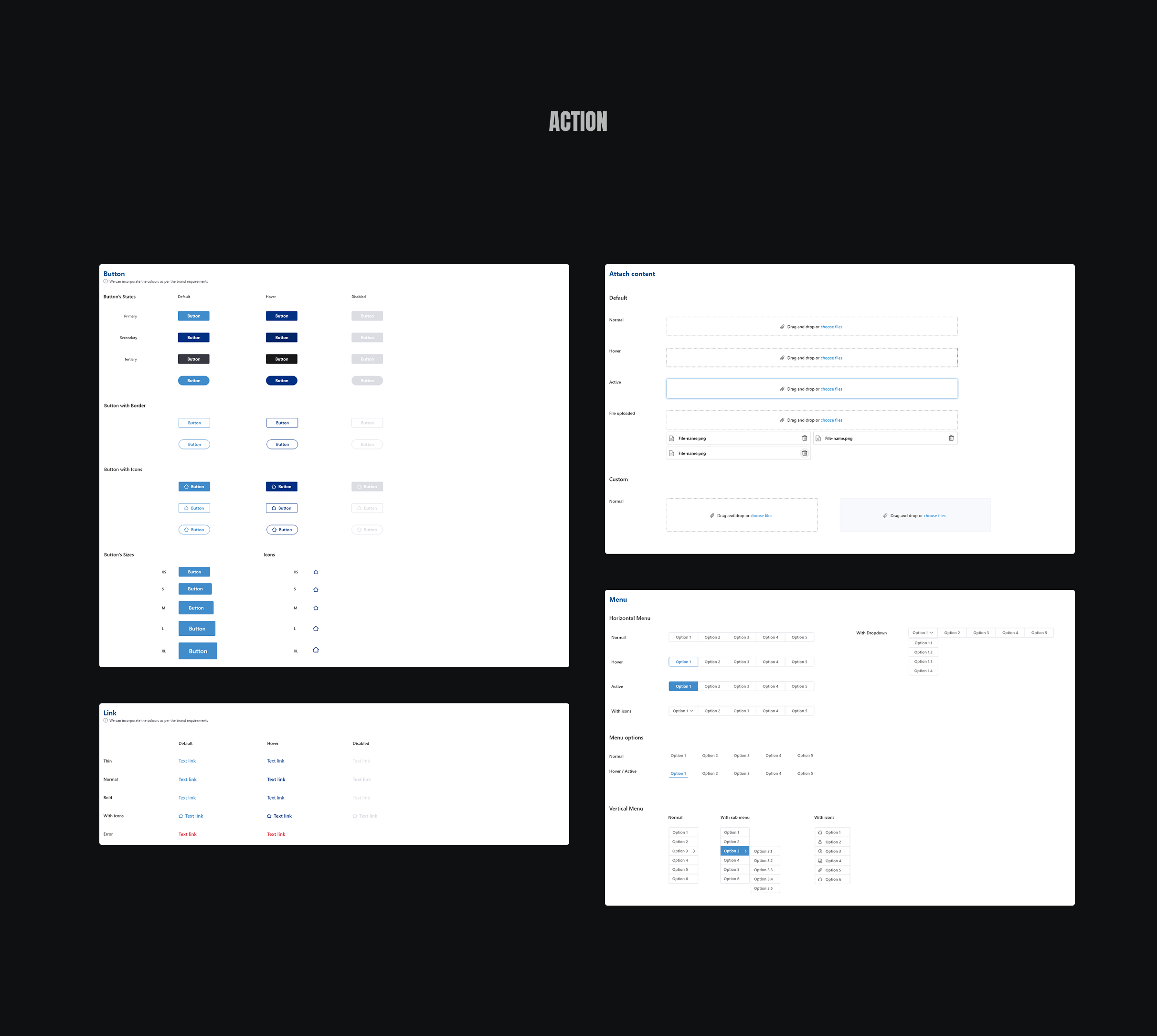
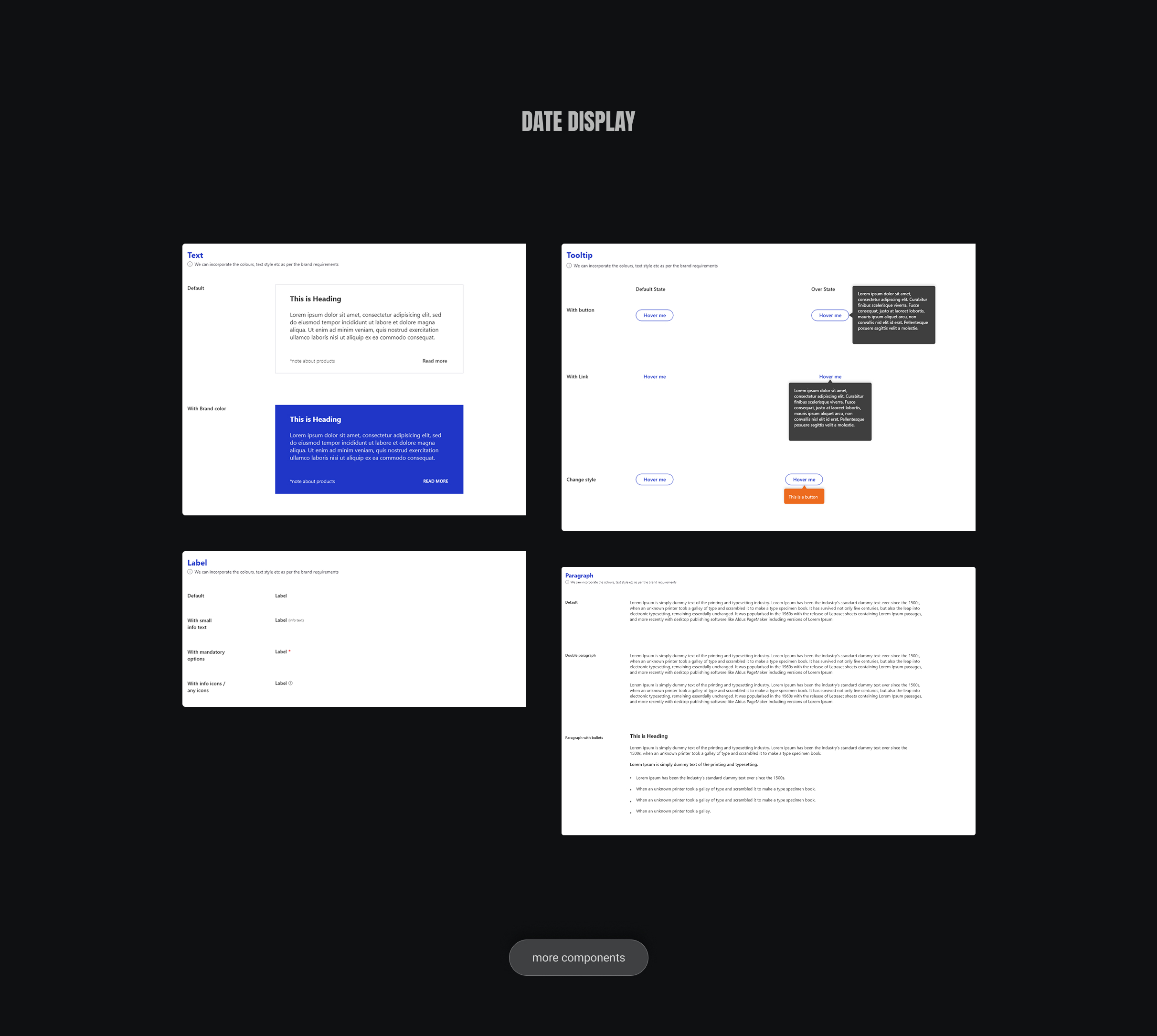
To solve this, I designed a common design system built on PEGA UI Kit and Cosmos UI Kit. The goal was to bring consistency, speed, and clarity across multiple client projects and to support BA, design, and development teams with a scalable visual language.
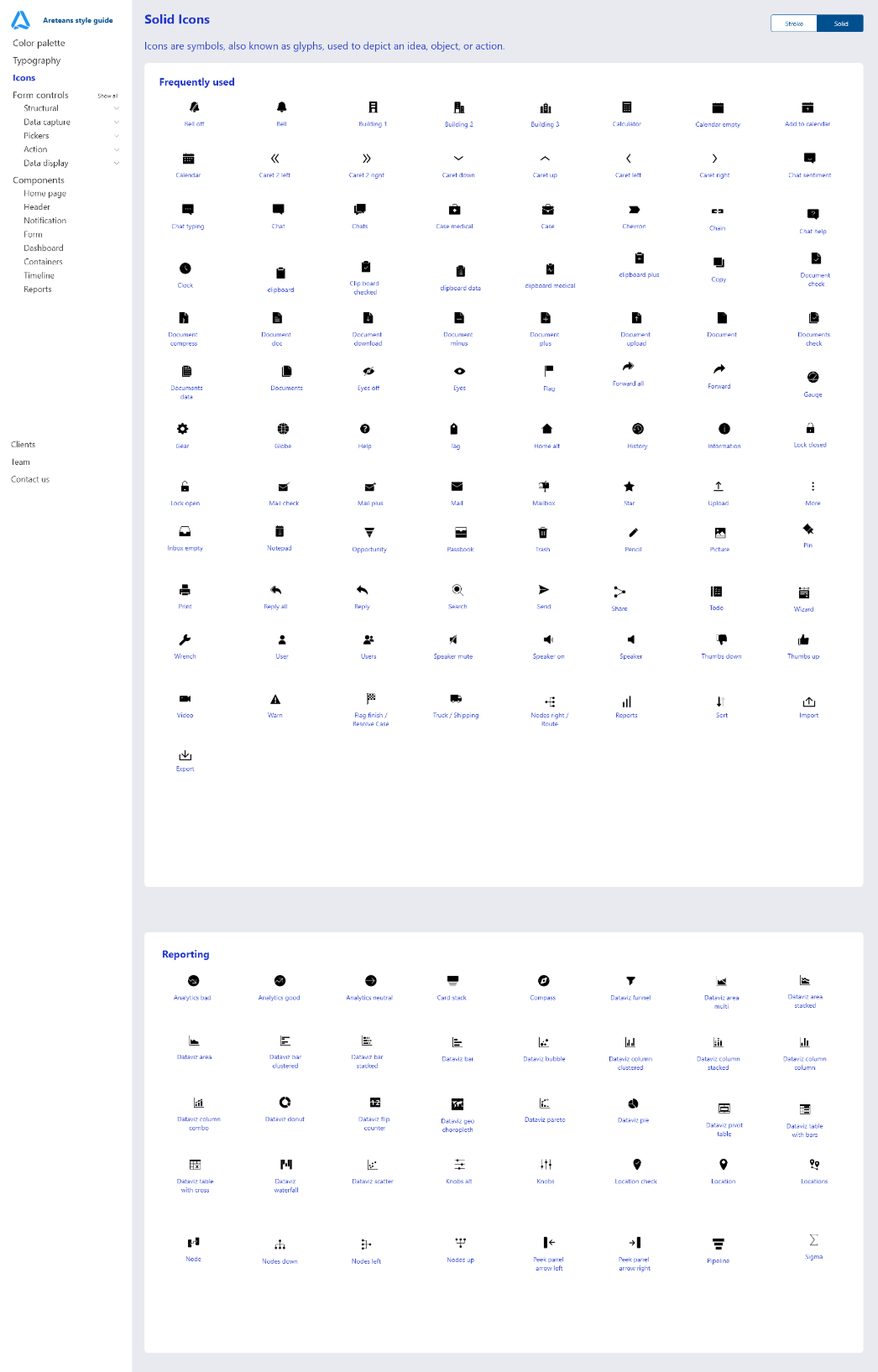
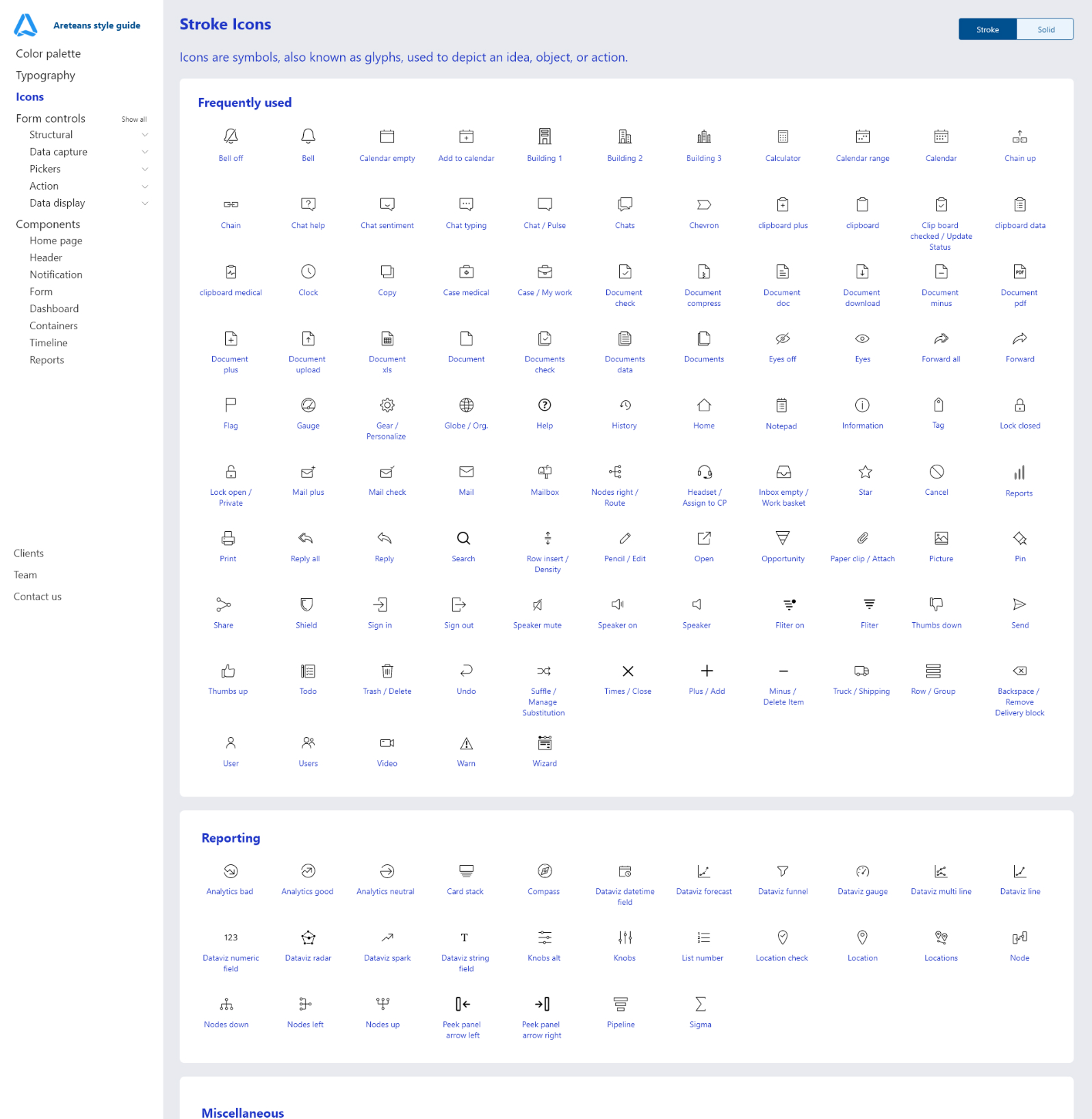
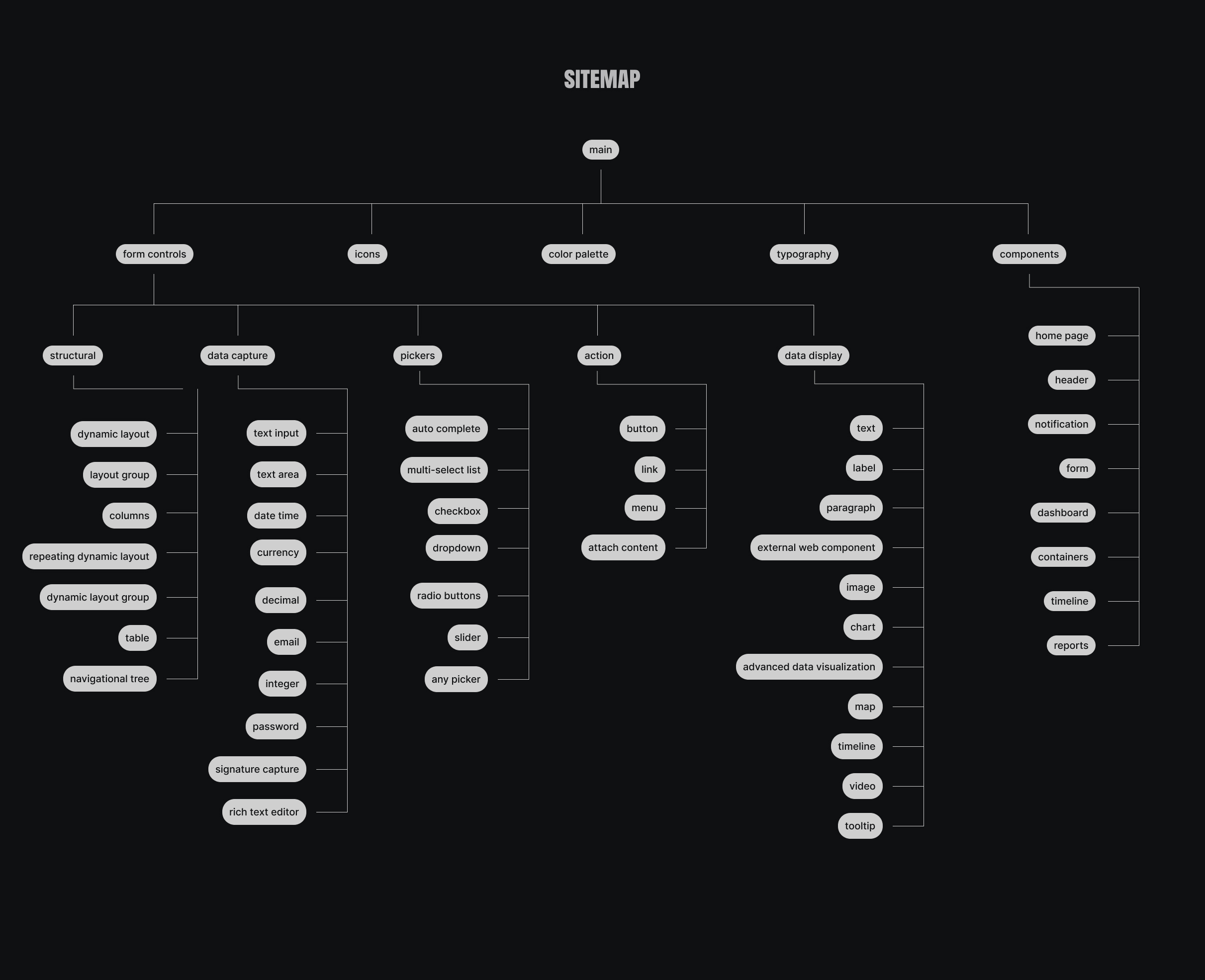
I created a modular, reusable design system inspired by PEGA and Cosmos standards. It included:
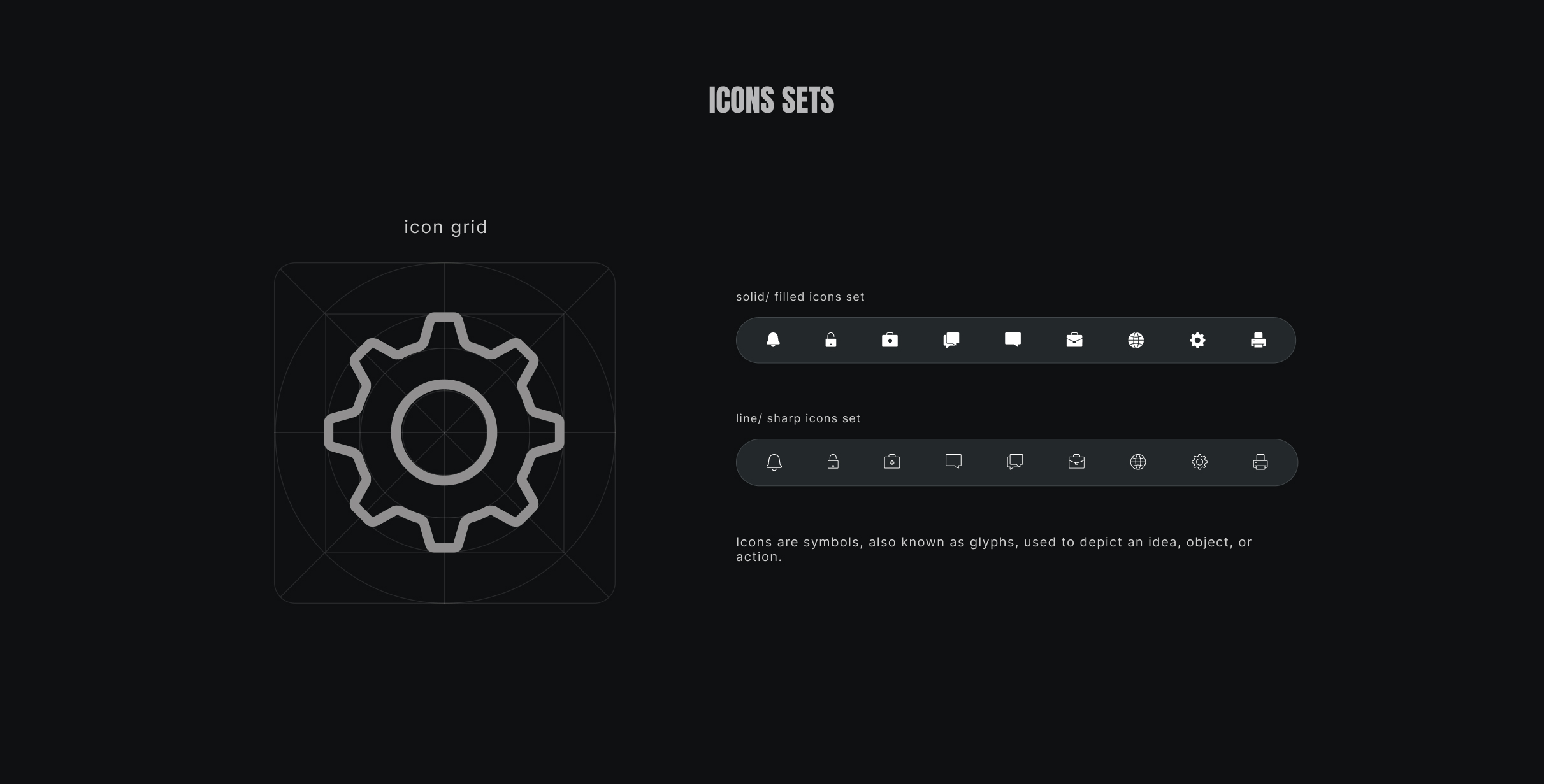
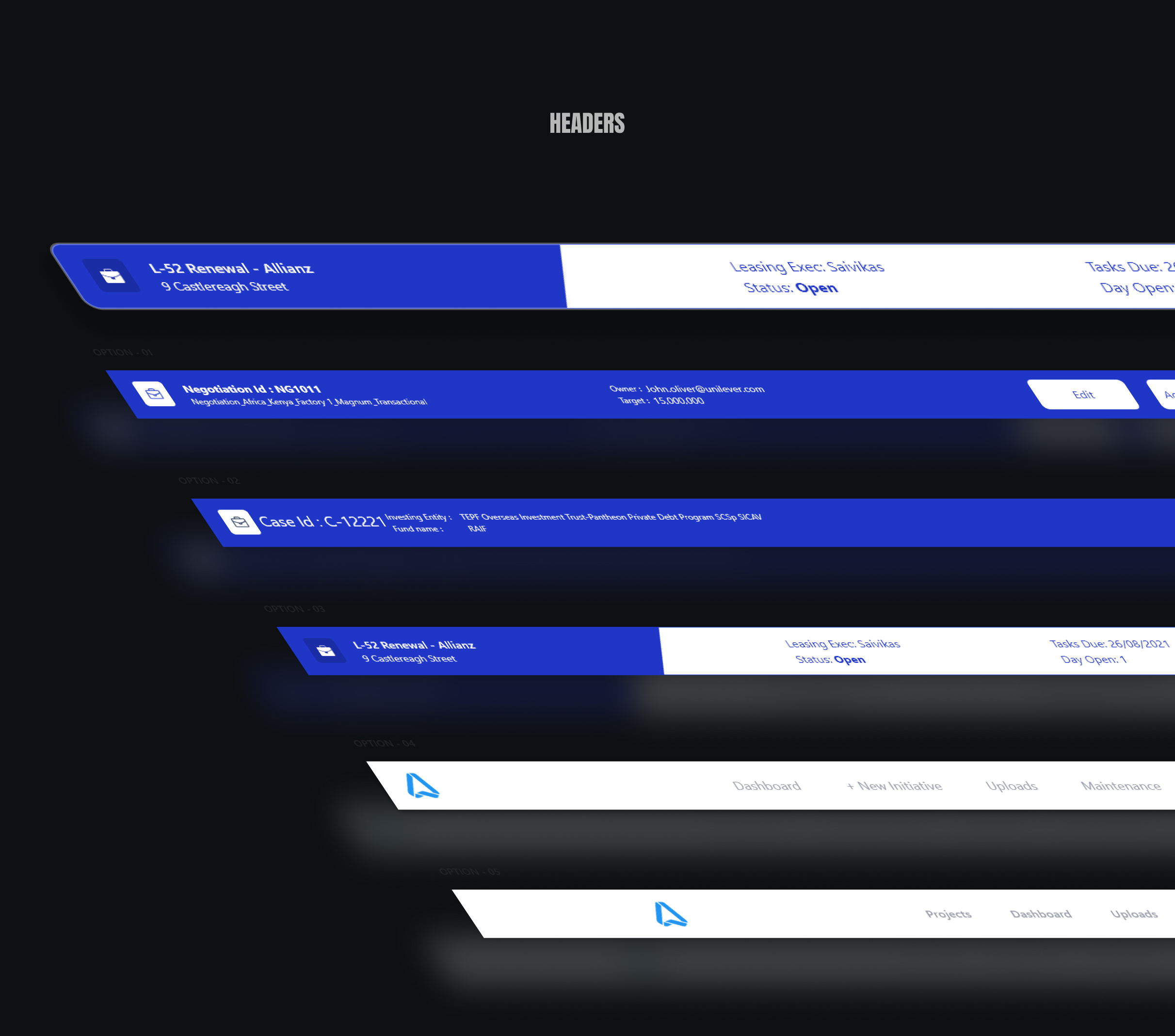
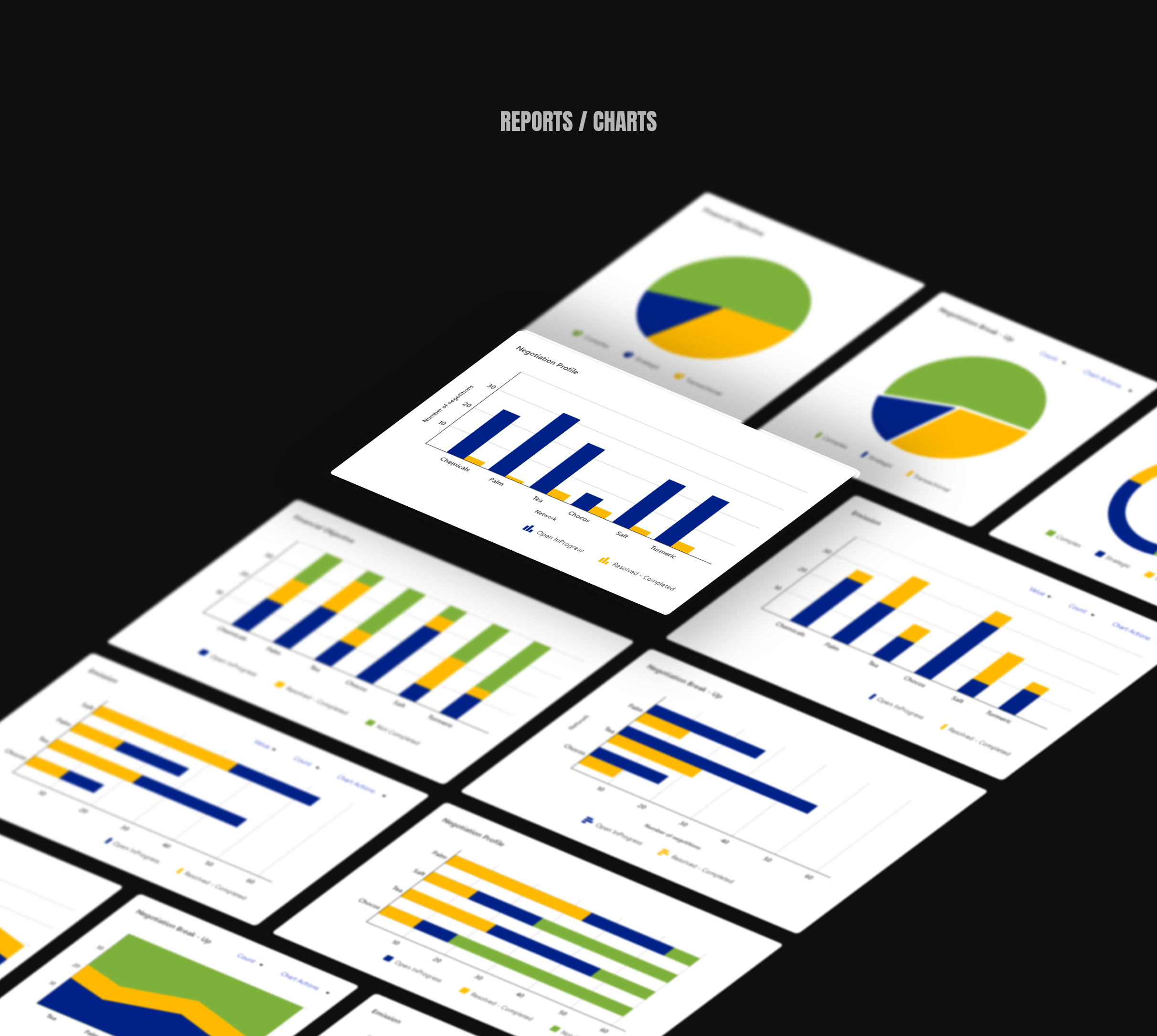
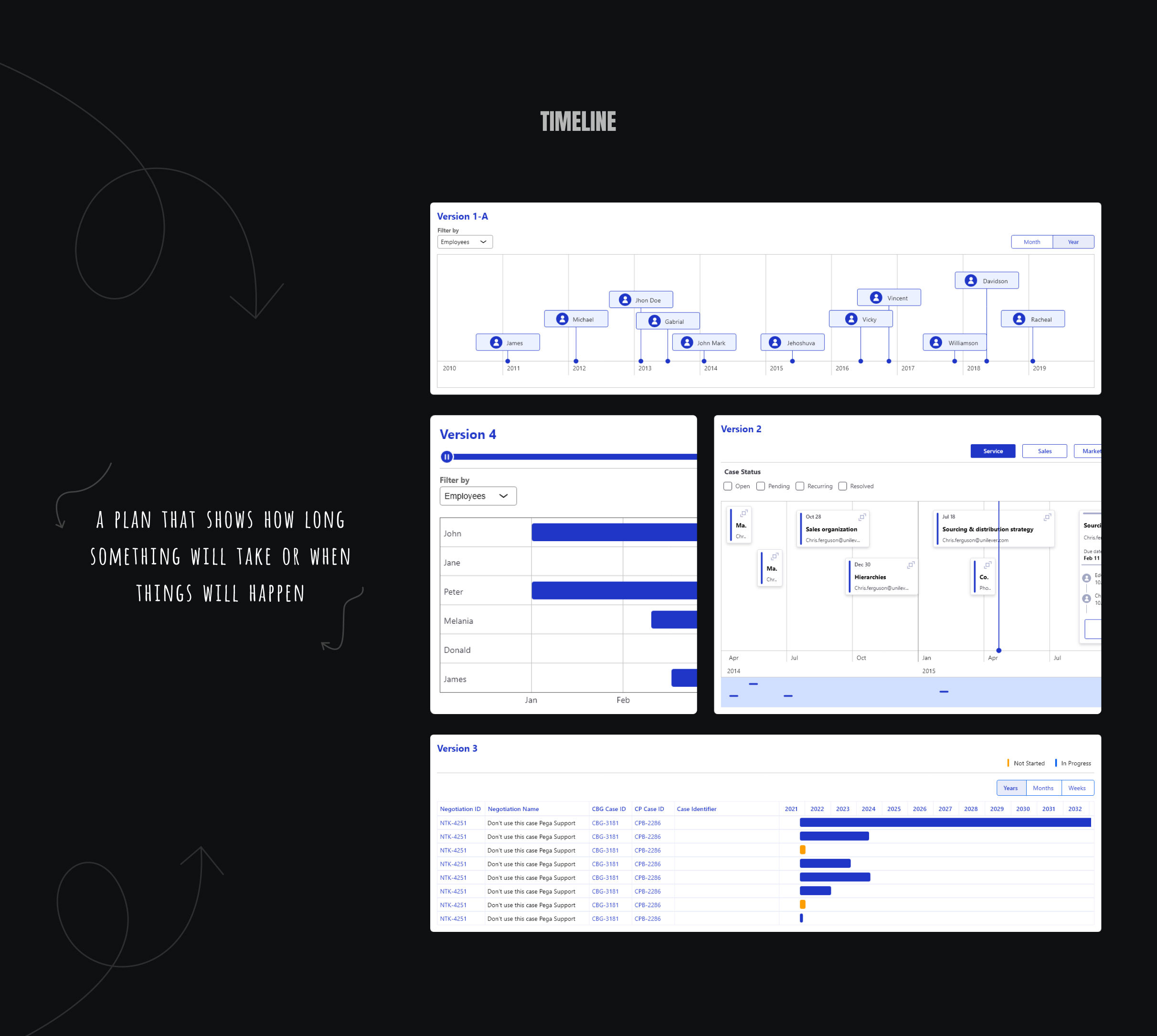
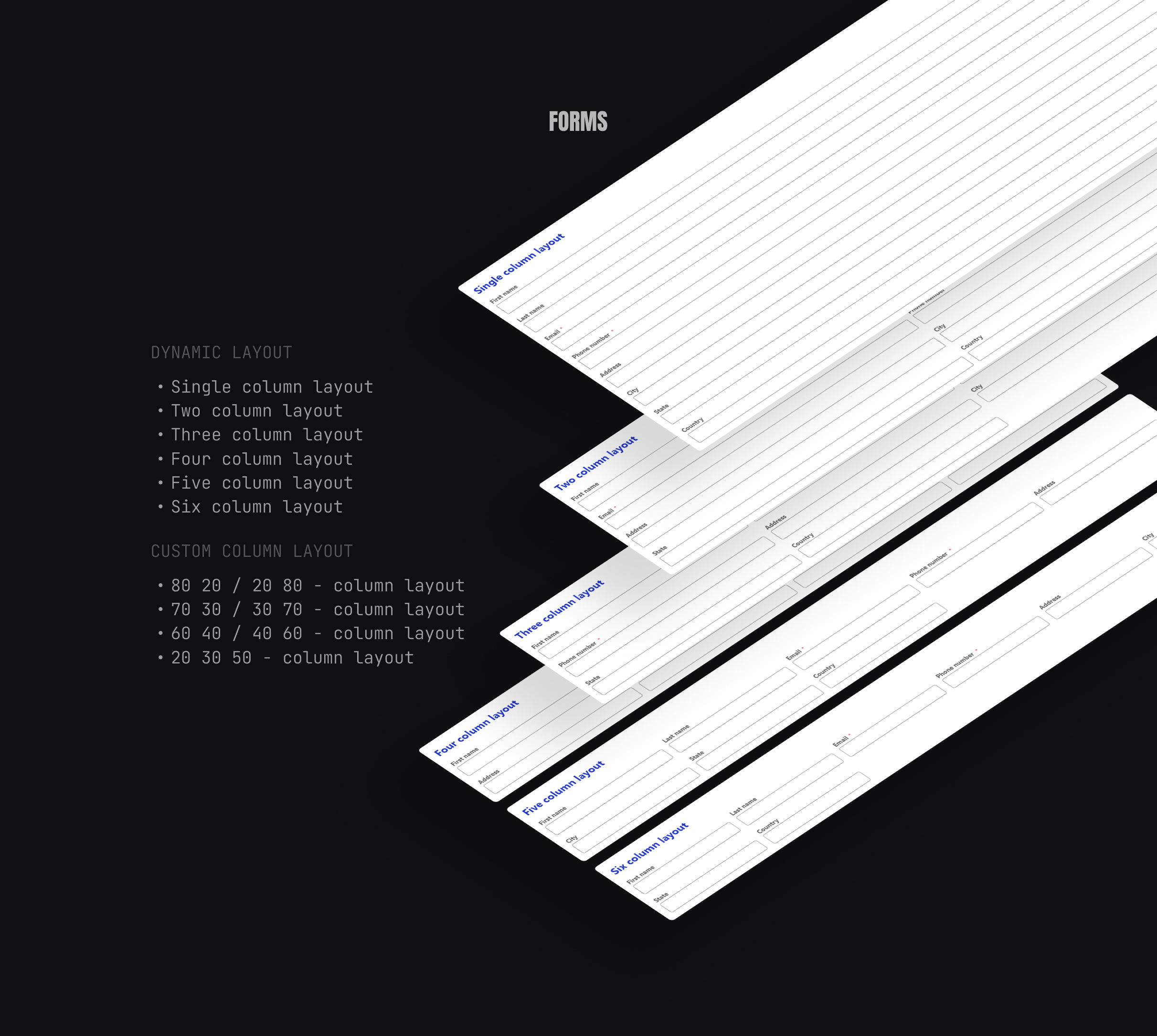
- A complete component library
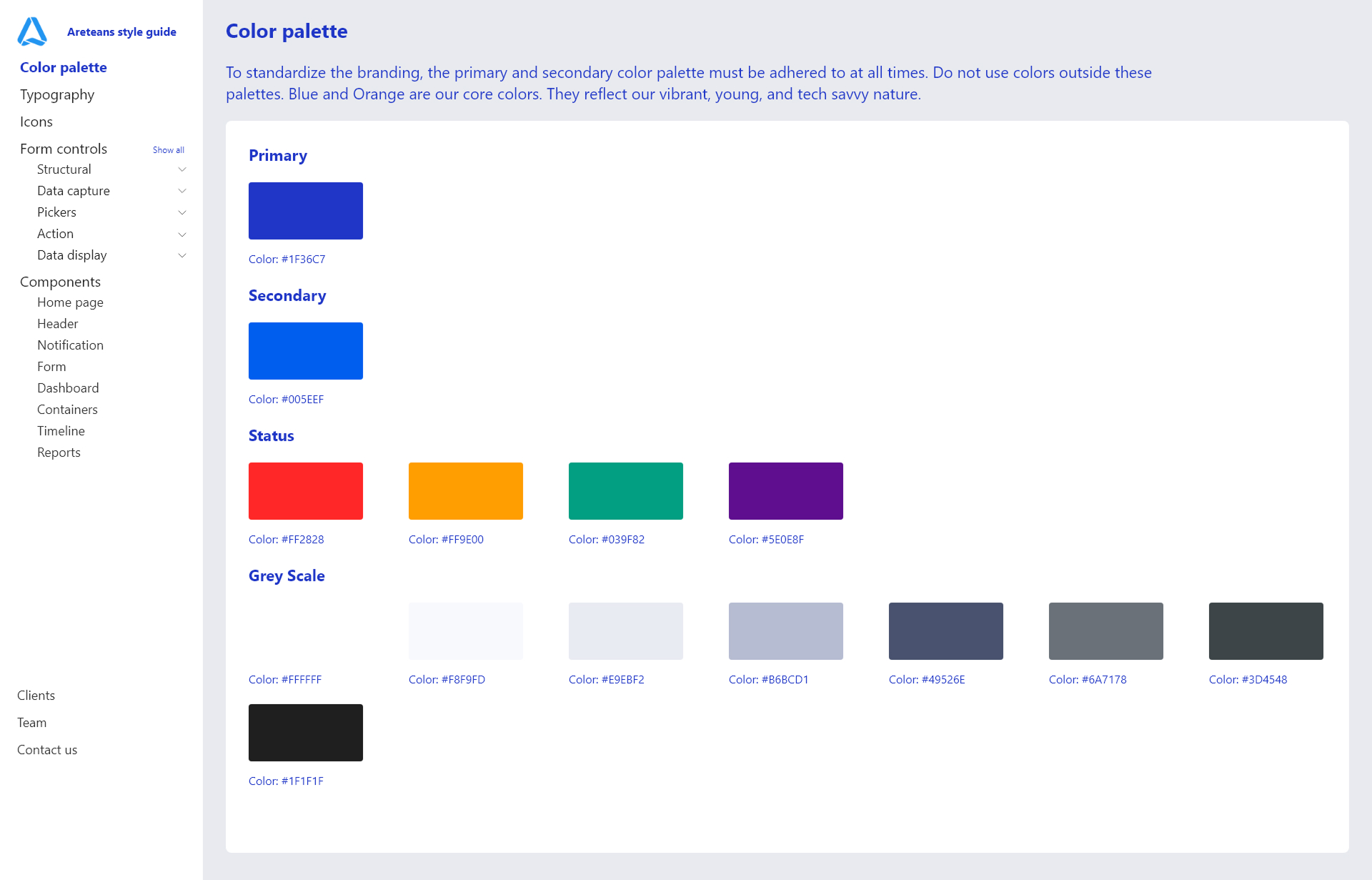
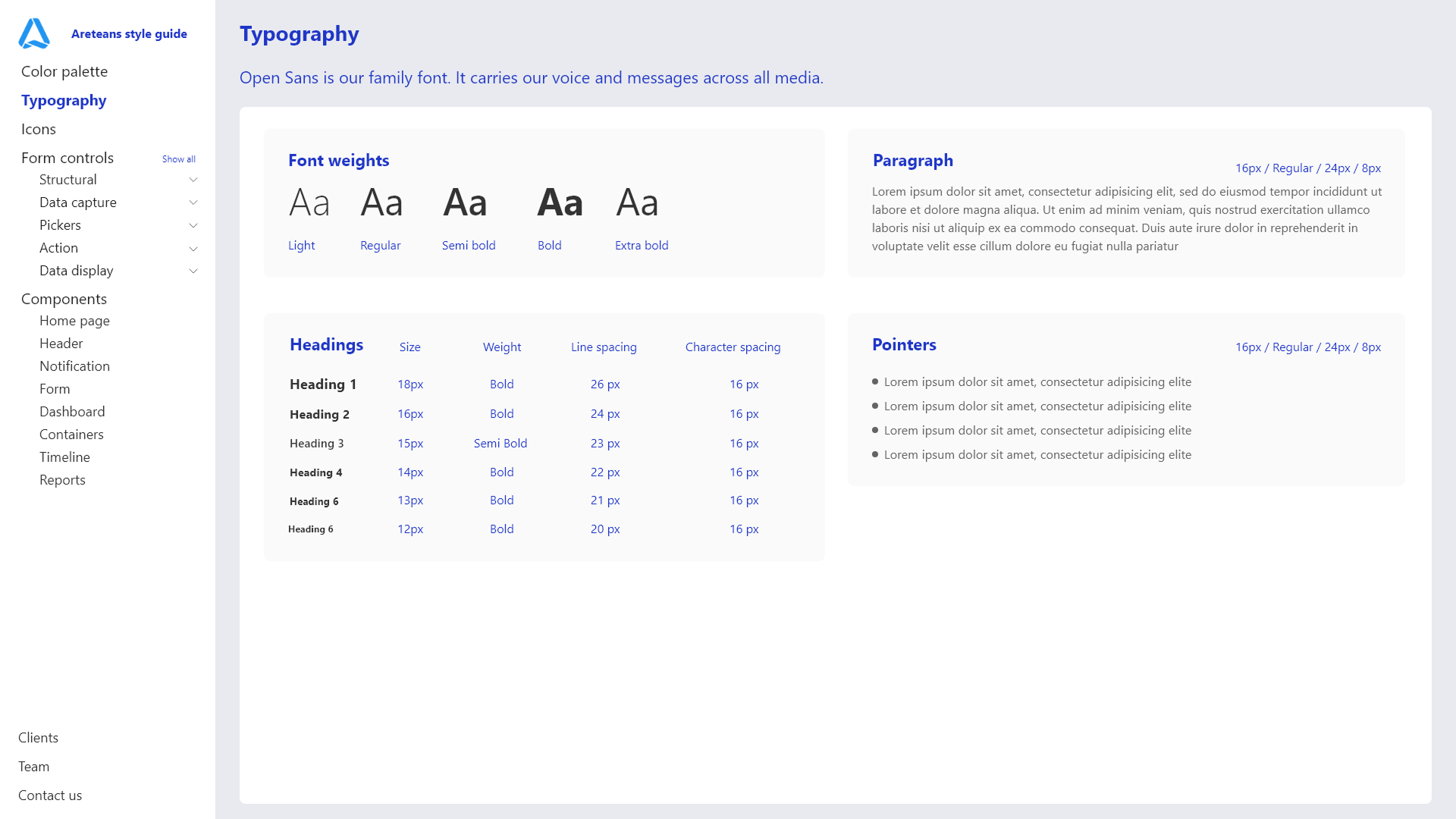
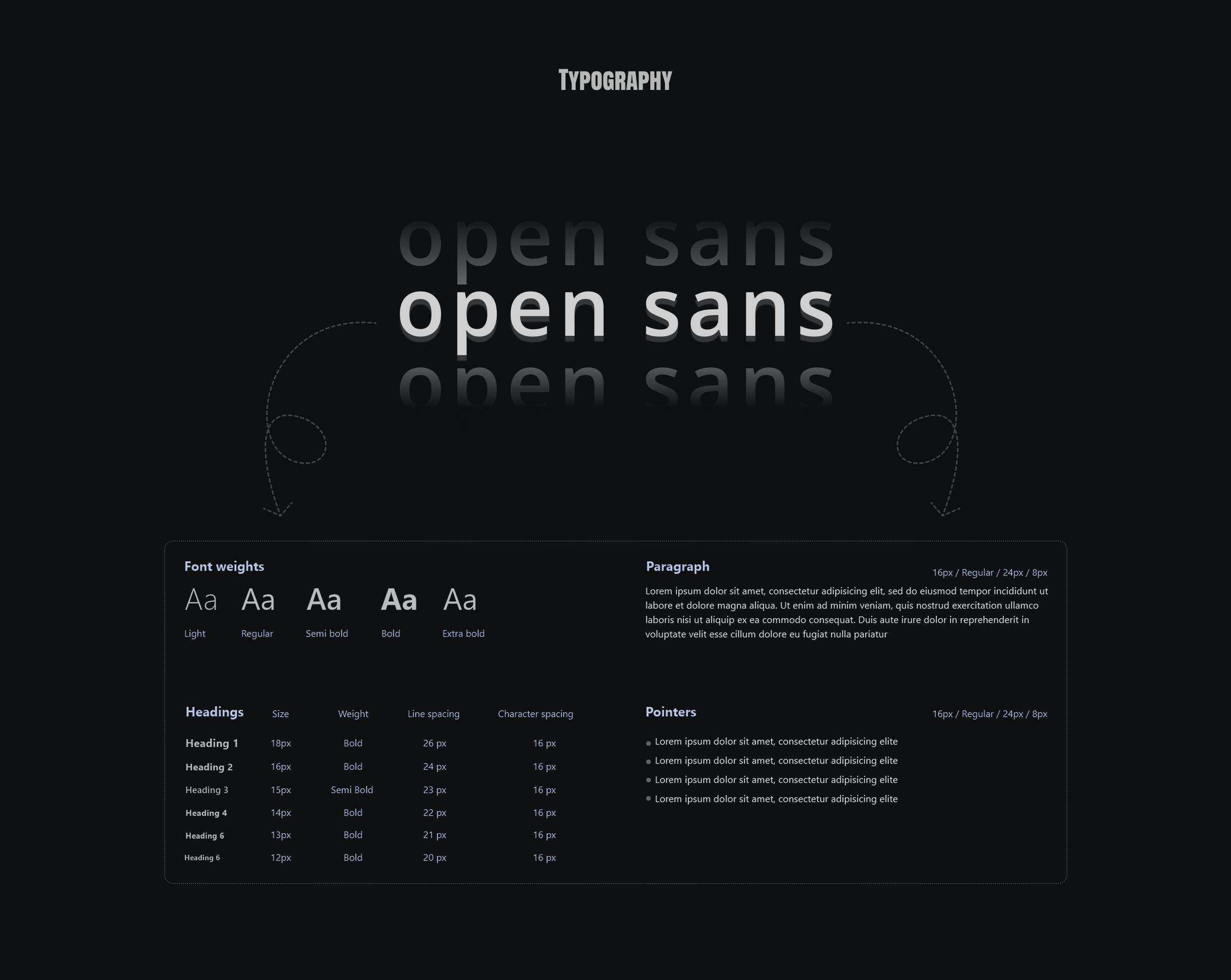
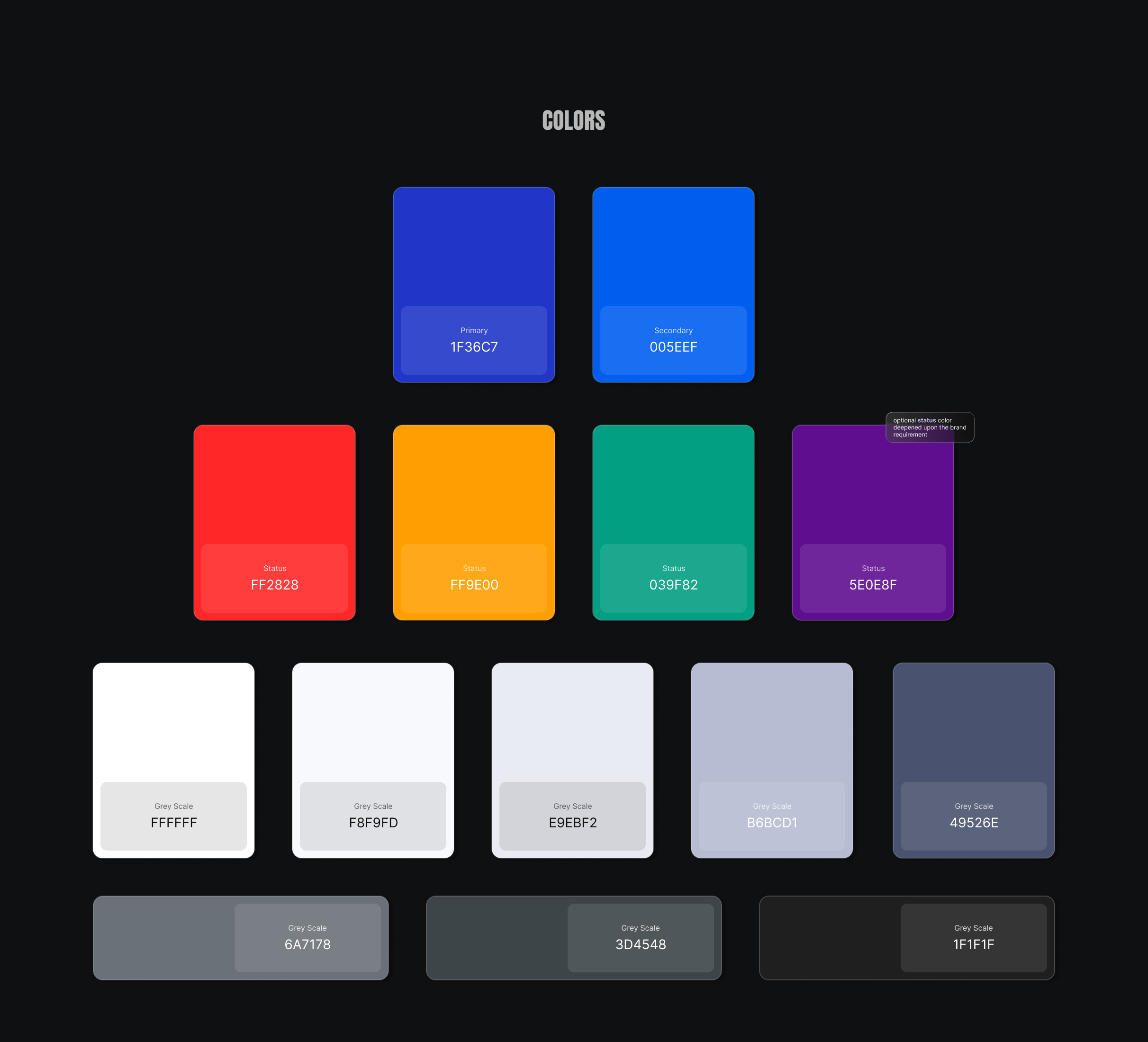
- Consistent colors, typography, grids, and spacing
- Reusable layout templates
- Interaction rules and usage guidelines
- Ready-to-use design examples for BA team demos
This allowed any team member to start designing immediately without recreating UI elements.
Impact
For BA Teams
- They could quickly show clients how their application could look.
- Made conversations more confident and helped convince clients faster.
- Gave the company a competitive advantage during proposals.
For Designers
- No need to build components from scratch.
- Faster delivery and higher consistency.
- Clear patterns led to better user experiences.
For Developers
- Standard components reduced confusion and rework.
- Faster handoff and easier implementation.
For Clients
- Clear previews of UI early in the process.
- Faster approval cycles.
- More trust in the team’s capability.
Result
The design system became a central tool across projects, saving time, reducing workload, improving quality, and helping the company present a strong, unified design approach — taking every project one step ahead from the very first meeting.
Gallery